

Accounting and Tax Strategy for Restaurant Owners
Your Restaurant Can Be Busy Every Night – and Still Wonder Where the Profit Went
A full dining room, strong sales and a busy kitchen do not automatically mean a profitable restaurant.
If sales are coming in but cash still feels tight, the problem may not be hot much you are selling. It may be what is happening to every dollar after the sale.
Profit Wise Accounting helps restaurant owners understand what is driving profit, where cash is going, what the numbers are warning them about, and what the business can realistically afford to do next.
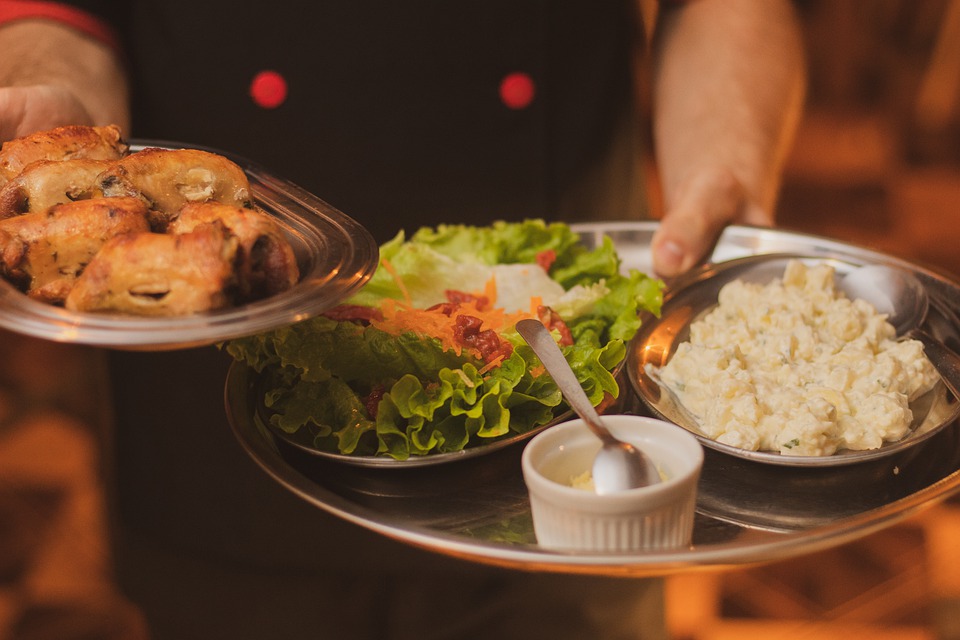
Your Restaurant Is Busy. But Is It Actually Profitable?
A restaurant can increase sales and still make less money.
The problem usually is not one expense. It is what happens when several important numbers begin moving in the wrong direction at the same time.
Food cost rises a few points. Labor increases. Merchant and delivery fees take another percentage of sales. Payroll is due before all of the cash has settled. Suddenly, a strong month at the register produces surprisingly little additional profit.
That is why restaurant owners need more than a profit-and-loss statement.
The Number Restaurant Owners Need to Watch: Prime Cost
One of the most useful measurements in a restaurant is Prime Cost.
Prime Cost combines cost of goods sold with labor costs. These are two of the largest areas that can determine whether strong restaurant sales actually turn into profit.
A Simple Example
Suppose your restaurant generates $125,000 in monthly sales.
Food and beverage costs are $40,000. Labor and related costs are $42,500.
Your prime cost is $82,500 — or 66% of sales.
That means 66 cents of every sales dollar has already been consumed before the restaurant pays many of its other operating costs.
Now the owner has a useful question to investigate: Is that percentage moving up or down, and what is causing the change?
Profit Wise helps restaurant owners build financial reporting that makes changes like these easier to see and understand.
$1 Million in Sales Doesn’t Tell You What the Owner Made
Two restaurants can each generate $1 million in annual sales and produce completely different results for their owners.
One may have stronger food margins. Another may carry too much labor for its sales volume. One may be losing margin through third-party delivery fees. Another may have allowed overhead to grow faster than revenue.
The important question is not simply, “How much did we sell?”
The better question is: “How much did we keep — and why?”
Profit Wise helps connect revenue, margins, labor, operating costs and cash flow so the owner can see what is actually driving the financial result.
When Food Cost Goes Up, You Need to Know Why
If food cost moves from 30% to 34%, your financial statements can tell you that something changed.
But the percentage alone does not tell you why.
The cause could be vendor price increases, menu pricing, purchasing, waste, portioning, comps, spoilage, inventory differences or a combination of factors.
Profit Wise’s job is to make sure the accounting and financial reporting identify the change early enough for you to investigate and act on it.
If a four-point change in food cost continues month after month, the impact on annual profit can be significant. Restaurant owners should not discover that problem at year-end.
Your POS Says You Sold $87,000. Why Didn’t $87,000 Hit the Bank?
Between the sale and the bank deposit, money can move through merchant processors, online ordering systems and third-party delivery platforms. Tips, refunds, processing fees, timing differences and other adjustments can also affect what ultimately reaches the bank.
That creates an important accounting question:
Can you reconcile what your POS says you sold to what actually reached your bank — and explain the difference?
If you cannot, you do not have complete visibility into the restaurant’s revenue.
Profit Wise helps reconcile the financial trail so the owner can understand what was sold, what was deposited, what was deducted and whether unexplained differences need attention.
Labor Can Make or Break Restaurant Profitability
Labor is not just a payroll number. It is one of the financial levers that can determine whether the restaurant’s operating model works.
A restaurant can be understaffed and damage service. It can also be fully staffed and still carry more labor than the current sales volume can support.
The accounting should help the owner evaluate labor in relation to revenue, margins and the needs of the operation.
Why Restaurant Owners Work With Profit Wise
One Team Seeing the Financial Picture
Bookkeeping, payroll and taxes should not operate as separate financial worlds. When these functions work together, the owner gets a more complete view of what is happening.
Financial Information You Can Actually Use
A financial statement is not valuable simply because it was produced. It becomes valuable when the owner understands what the numbers are saying and what action may be required.
Year-Round Tax Planning
We do not believe the first meaningful tax conversation should happen after the year is already over.
Restaurant-Specific Financial Understanding
Restaurant accounting involves more than recording deposits and paying bills. POS activity, merchant settlements, food cost, labor, tips, sales tax, delivery platforms and cash flow create financial relationships that need to make sense together.
How Financially Healthy Is Your Restaurant?
Do you know your prime cost? Can you explain why food cost changed last month? Do your POS sales reconcile to merchant settlements and bank deposits? Do you know how much operating cash the restaurant should maintain? Can you estimate the financial impact of another manager or major equipment purchase? Do you know what you are projected to owe in taxes before year-end?
If several of those answers are unclear, the restaurant may be producing plenty of activity without giving you enough financial visibility.
CTA: Use the Restaurant Financial Health System
Measure your financial visibility, identify the areas that need attention, and see which numbers should be driving your next decisions.
Frequently Asked Questions About Restaurant Accounting
Stop Guessing About Your Restaurant’s Numbers
Your restaurant works too hard for you not to know what is happening to the money.
Understand what is driving profit. Identify changes in food and labor costs earlier. Know why POS sales and bank deposits differ. Understand the difference between profit and cash. Plan for taxes before year-end. Make hiring, equipment and growth decisions with better financial information.
