

Accounting & Bookkeeping for Plumbing Companies
Understand which work makes money, control technician labor and material costs, improve cash flow, plan for taxes, and make better decisions about hiring, trucks and growth.
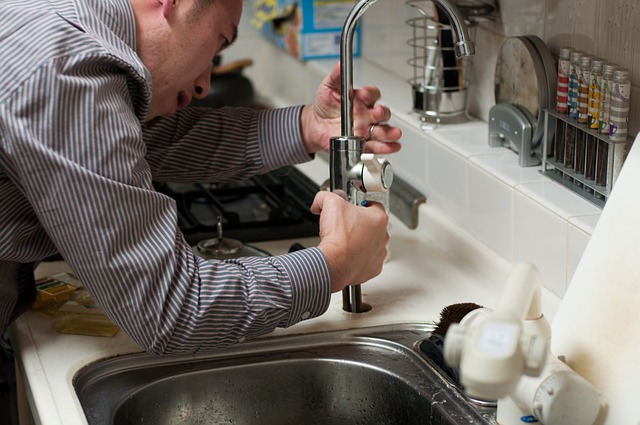
Your Plumbing Company Can Be Busy — and Still Have a Profit Problem
- Revenue is up. Why isn’t there more cash in the bank?
- Are our service calls priced high enough after technician labor, parts and overhead?
- Which types of work produce our best margins?
- Are callbacks and warranty work costing more than we realize?
- Can we afford another technician or service truck?
- Are receivables creating a cash-flow problem?
- How much should we be setting aside for taxes?
Revenue Doesn’t Tell You Which Plumbing Work Makes Money
Different types of plumbing work can produce very different profit margins. Service calls, installations, remodeling, and commercial projects all have different labor, material, travel, and overhead requirements, so looking only at total revenue can hide where the business is actually making or losing money. Profit Wise helps plumbing business owners understand profitability by job and type of work, giving them clearer numbers for pricing, staffing, and growth decisions.
Service & Repair
Service & Repair
Service and repair calls, Water heater work, Drain and sewer work, Emergency plumbing
Installation & Project Work
Installation & Project Work
Remodel work, New construction, Fixture and equipment installations, Larger plumbing projects
Recurring & Commercial Work
Recurring & Commercial Work
Commercial plumbing, Maintenance contracts, Service agreements, Recurring client work
Job Profitability Factors
Job Profitability Factors
Labor hours and labor costs, Parts and material costs, Travel and vehicle costs, Callbacks and rework, Overhead allocation, Profitability by job type, Pricing and gross margin analysis
Numbers Every Plumbing Owner Should Know
- Gross Profit: Revenue alone does not tell you whether the work is profitable. Track the relationship between sales and the direct costs required to produce them.
- Technician Labor Cost: Technician wages, overtime, payroll taxes and related labor costs can materially affect margin. You need visibility into what labor is costing relative to production.
- Material/Parts Cost: Track the cost of wire, conduit, fixtures, panels, fittings, supplies, and other materials used on electrical jobs to understand true job costs and profitability.
- Job & Service Profitability: Understand how much profit each electrical job generates by comparing job revenue with labor, materials, subcontractors, and other project costs. This helps contractors identify profitable work and spot jobs where costs are eating into margins.
- Overhead: Office payroll, insurance, software, rent, marketing, vehicles and other fixed costs have to be covered before the owner sees true profit.
- Accounts Receivable: Slow collections can put pressure on an otherwise profitable HVAC company, particularly when commercial work is involved.
- Cash Flow: Profit on a P&L is not the same thing as cash in the bank. Timing of collections, payroll, taxes, debt payments and equipment purchases matters.
- Fleet & Equipment Costs: The money a business spends to purchase, maintain, repair, or operate equipment used to perform its work.
- Tax Liability: Business owners should have an idea of their tax exposure before the return is prepared – not after the year is over.
Pricing & Charge Methods
Are your plumbing prices actually covering the cost of doing the work? Setting profitable prices requires more than knowing what competitors charge. Profit Wise helps plumbing business owners understand the true costs behind their work so they can evaluate whether their pricing and charge methods are covering expenses and producing the profit margin they need.
What your pricing needs to cover:
Plumbing companies can generate strong revenue and still struggle with profitability if their pricing doesn’t account for the full cost of delivering the work. Profit Wise helps owners use accurate financial and job-cost information to evaluate whether service calls, installations, repairs, and other plumbing work are priced to cover labor, materials, vehicles, overhead, callbacks, and the company’s desired profit margin.
Plumbing Financial Health Check
Is Your Plumbing Company as Profitable as It Should Be? The Plumbing Financial Health Check is a short diagnostic designed to help plumbing business owners identify financial strengths, potential blind spots, and areas that may be affecting profitability. By answering questions about job profitability, technician labor, service pricing, cash flow, accounting, taxes, and growth decisions, owners receive a personalized Financial Health Score that highlights areas that may deserve additional attention. The results are intended to provide a starting point for a conversation with a qualified tax advisor who can review the company’s specific financial situation and provide personalized guidance.
Services
Bookkeeping & QuickBooks for plumbing companies
QuickBooks should help you understand your plumbing company—not simply record transactions.
Our bookkeeping & QuickBooks services include:
- Monthly reconciliations
- Plumbing-specific chart-of-accounts structure
- Proper income and expense classification
- Job/service profitability visibility
- Accounts receivable
- Payroll/labor integration
- Cash-flow visibility
- Useful monthly financial reporting
Payroll for plumbing companies
Payroll is not only an administrative function. Technician labor is one of the numbers that determines whether your service pricing and job margins work.
Our payroll services include:
- Technician labor
- Overtime
- Payroll taxes
- Workers’ compensation
- Field vs. office labor
- Job costing
- Profitability
Tax Planning for plumbing business owners
Tax preparation tells you what happened. Tax planning gives you an opportunity to make decisions while there is still time to affect the outcome.
Our tax planning includes:
- S corporation strategy
- Reasonable compensation
- Service trucks and vehicles
- Equipment purchases and depreciation
- Retirement plans
- Accountable plans
- Estimated tax payments
- Year-end projections
Profit on papers doesn’t pay payroll
A plumbing company can be profitable on paper and still run short on cash when customer payments haven’t arrived or major expenses are due. Profit Wise helps plumbing business owners understand not only what the company has earned, but how much cash is actually available to operate the business, cover upcoming obligations, and make informed decisions. For larger projects, understanding when money comes in and when expenses must be paid can be especially important for maintaining healthy working capital.
Key Cash-Flow Factors to Monitor:
Your Numbers Should Help You Decide what comes next
Address decisions such as:
- Can we afford another technician?
- Can we add another service truck?
- Are our prices keeping up with wages, parts and overhead?
- Should we expand into another service area?
- Can we take on larger commercial/project work?
- Do we have enough cash to grow without creating a cash-flow problem?
Helping You Decide: Trucks & Equipment
Plumbing businesses often have significant cash tied up in service trucks, tools and equipment. Buying a truck or equipment can affect taxes, but it also affects cash flow, debt service and the revenue the company must generate. The financial question is not only “Can we deduct it?” but also “Can the business afford it?”
Why Plumbing Companies Choose Profit Wise
Profit Wise brings bookkeeping, payroll, and tax services together so plumbing business owners can see how the different pieces of their financial picture work together. Instead of looking at bookkeeping, payroll, and taxes as separate tasks, our team uses accurate financial information to help owners understand profitability, cash flow, tax obligations, and business decisions throughout the year. While working with small businesses and field-service and trade companies, Profit Wise provides practical financial information owners can actually understand and use to run their businesses.
A plumbing business needs more than financial statements—it needs answers to practical questions about how the business is performing. Profit Wise helps owners understand which types of work are most profitable, whether labor and material costs are under control, whether pricing and charge methods are covering the true cost of the work, how much cash is actually available, and whether the business is prepared for upcoming payroll, taxes, equipment purchases, or other obligations. With clearer numbers and year-round guidance, owners can make decisions based on what is happening in the business rather than relying on revenue or bank balances alone.
What do our clients say
*Hover picture for review*
Clay Peake, 2026
Great all around experience. Professional and courteous staff, very efficient office, portal utilization allowed me to interact with accountants very easily and quickly. I still owed the gov money, but much less than last year. As an individual client, as opposed to a small business, I still feel like I received individual and personal attention. Will definitely be back next year.
Chris Potter, 2025
Sharon and her team have always been provided the best professional service and support for my company (Redstone Irrigation and Lighting). Highly recommend to any business needing high quality accounting services.
Patrick Long, 2024
Ashleigh makes taxes easy! We found Profit Wise through numerous weird of mouth recommendations. We now know why so many folks love Ashleigh and Sharon, they are the ultimate professionals and they truly care about each and every client. If you want peace of mind that you are in good standing with the IRS and you want to know your accountant is fighting for you, then call the team at Profit Wise!!
FAQs About Accounting for plumbing
Blogs to Read
Enjoy these free Accounting and Bookkeeping Tools and Resources for Plumbers
